


 Make an appointment
 Buy a gift card
 Find a branch
 Reload a gift card
News
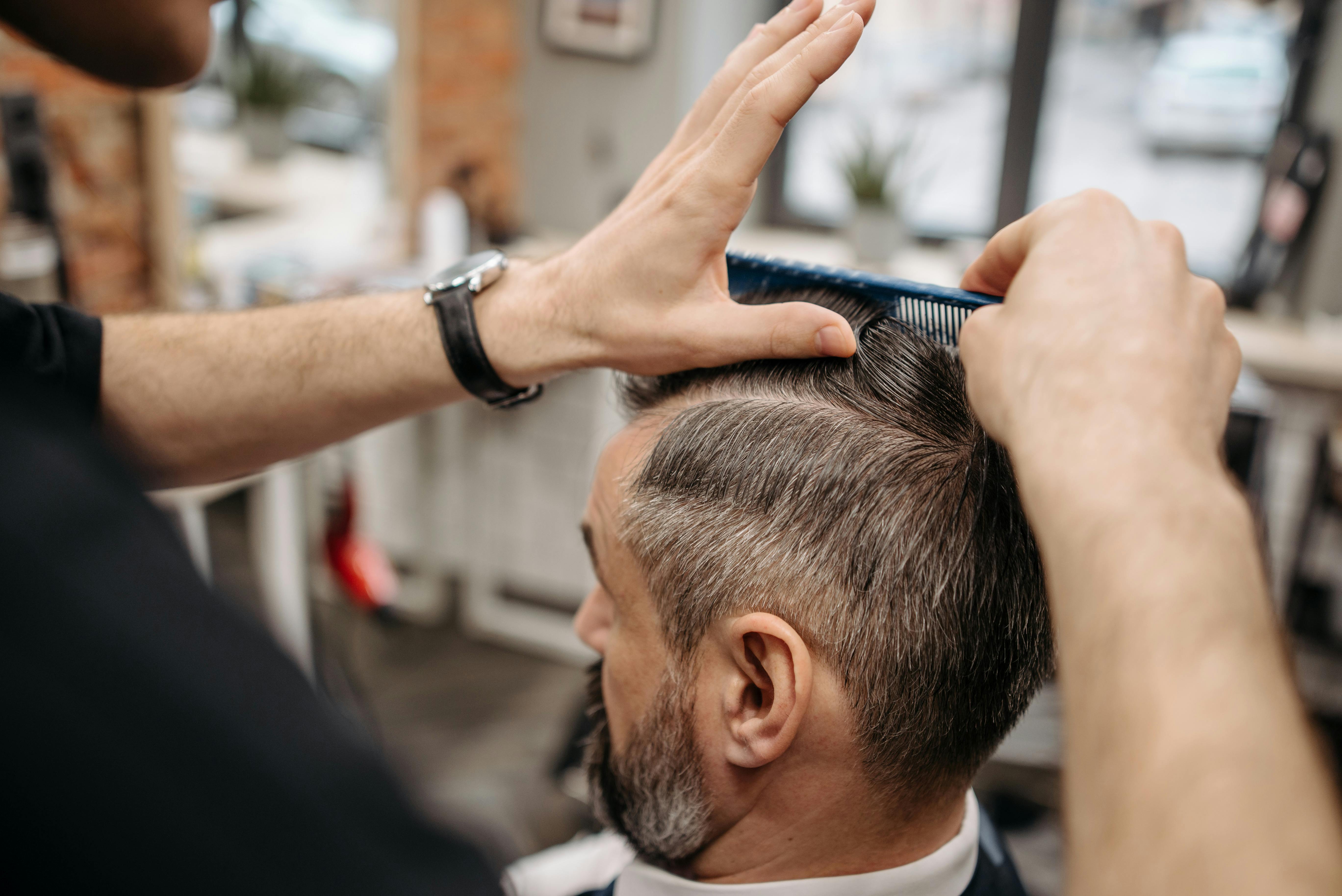

Everything you need to know about beard care!
Everything you need to know about beard care! Without spending hours in the bathroom, we believe four basic steps are enough to promote a healthy-looking beard while avoiding itching, dandruff, and coarse hair. In this article, we'll explain this quick and effective guide in four small steps, plus offer some suggestions for beard tools and products to make it even easier. Share this article In this article Beard trimming Frequent cleaning Hydration and nutrition Brushing the hair For the mustachioed man Appointment to the barber Whether it's short, long, and dense, sparse, freshly shaved, or even a mustache, wearing a beard is unique to each individual. The possibilities are endless, and so are the grooming routines! The key is to understand that no matter what style you sport when it comes to facial hair, it's essential to pay special attention to its maintenance. One guide, four steps Step 1: Trim and shape your beard regularly. Whether you opt for a 3-day beard, a short beard, or a longer beard, trimming helps keep your facial hair looking neat. By regularly updating the length, density, and contours of your beard, you'll increase your chances of maintaining it easily. That's right! The more diligent you trim, the happier your hair and the healthier your beard. Discover our complete range of men's barber tools right here . Step 2: Cleanse your beard and skin thoroughly Hair is hair! If you clean your head daily, then why shouldn't your beard hair get the same treatment? Plus, there's no point hiding anything: beards are a highly sought-after breeding ground for bacteria, microbes, and all sorts of dirt, like those left behind by food. In short, all of this makes this step all the more necessary and important. By cleaning your beard, you're also allowing your skin to enjoy a cleaner, healthier environment.

Why use beard oil?
What is the use of beard oil? Adding an oil to your routine can be very beneficial for your facial hair! Beard oils don't just serve as facial fragrance... They moisturize, soften, and nourish your beard and the skin underneath! Aside from moisturizing facial hair, oils are actually a great way to prevent dry skin. The thicker your beard, the more prone your skin is to dryness and irritation. With the right oil and careful use, no more itchy skin under your beard! These treatments can even soothe inflammation and ingrown hairs after shaving. If your beard is rather coarse and dry, an oil is ideal for restoring softness. Like hair oils, beard oils penetrate the hair fiber and instantly restore softness, suppleness, and shine. Pssst, some types of oils even promote growth! Castor oil, frequently found in this type of treatment, is an ingredient known for its moisturizing properties, which promote overall hair health and, by extension, hair growth. When should I apply the oil? Beard oils can be used daily. After combing or brushing your beard, pour a few drops of your favorite oil into the palm of your hand, then warm the product by gently rubbing your hands together. Next, massage it into your hair and skin, applying gentle pressure to your face. If your beard is very thick, feel free to reapply oil as needed! The team's favorites Having trouble choosing from the wide variety of oils available on the market? No problem, we've rounded up our male colleagues' favorites right here:

Is your tap water hard?
Is your tap water hard? You've probably already heard that hard water and its various minerals can be harmful to hair health. If not, we'll enlighten you on this subject! Indeed, water contains several minerals and metals including calcium, copper, magnesium, iron and even aluminum. In small quantities, these particles do not cause any problems, but when they are abnormally abundant, as is the case in hard water, then the long-term health of the hair can be compromised. Generally speaking, the concentration of minerals in the hair varies depending on the porosity of the hair as well as the quality of the water where we live. Logically, already damaged and more porous hair is more likely to be negatively affected by hard water since it absorbs and traps more of the excessive and harmful substances it contains. Therefore, it is even more important for damaged hair to adapt its maintenance routine according to this factor. Regarding the water you have access to, it may be worth testing to determine if it exceeds the moderate/acceptable threshold of 80 ppm (parts per million). Another very simple and quick alternative would be to consult the various web resources that allow you to identify the hardness of the water according to the city where you live. The most common warning signs of water with high mineral content are: soap and detergent are more difficult to rinse off, dishes are stained by limescale, colored clothes fade more quickly in the wash, shampoo does not lather, skin is dry after showering, water has a strange and metallic taste, etc. What are the negative effects of hard water on your hair? Buildup and Deposits: Minerals become embedded in the hair and accumulate on its surface, creating a film of deposits that leaves hair dull, rough, and heavy. The buildup coats the hair and strips it of its natural moisture. Dryness and breakage: Mineral deposits can clog hair follicles, impairing the health of existing hair and the growth of new hair. This can lead to dry, brittle, stiff hair that is prone to premature breakage. Altered Color: Hard water can alter the color of color-treated hair by impairing color retention and removing its vibrancy. Scalp Discomforts: Mineral buildup in the scalp can cause irritation, itching, dandruff, and many other discomforts. Weakened performance of hair products: In the presence of hard water, shampoos and conditioners have more difficulty fulfilling their roles due to the film formed by the accumulation of minerals which prevents full access to the hair. How do you know if your hair health is affected by hard water? There are several signs that hard water and calcium are damaging your hair! These include dry, coarse, lackluster, and dull-looking hair. Hair affected by hard water is generally less manageable and difficult to detangle, and it may also have difficulty creating a good lather when shampooing. Another common indicator is a feeling of heaviness in the hair, even immediately after washing. Without the right products, minerals build up and aren't removed during shampooing, leaving hair feeling heavy and laden with buildup. Scalp discomforts such as dryness, irritation, and dandruff can also signal that hard water is affecting hair health. When it comes to already damaged hair, it's important to know that hard water can further aggravate its overall condition! In this case, daily restorative treatments sometimes fail to produce any results. Minerals slip so easily into damaged, porous hair that they literally block the restorative benefits of the treatments. It's essential to eliminate hard water deposits before other products in your care routine can be as effective as possible. What are some hair remedies for hard water? Aside from using a water softener or improving your hair's porosity by avoiding chemical processes like bleaching, you can limit the impact of hard water by using the right products. For example, a clarifying shampoo specifically designed to remove mineral residue is a great place to start. If this issue is very serious, there are even hair care lines entirely dedicated to addressing it! Here are our favorite products designed to remove metal and mineral buildup from your hair:


