


 Make an appointment
 Buy a gift card
 Find a branch
 Reload a gift card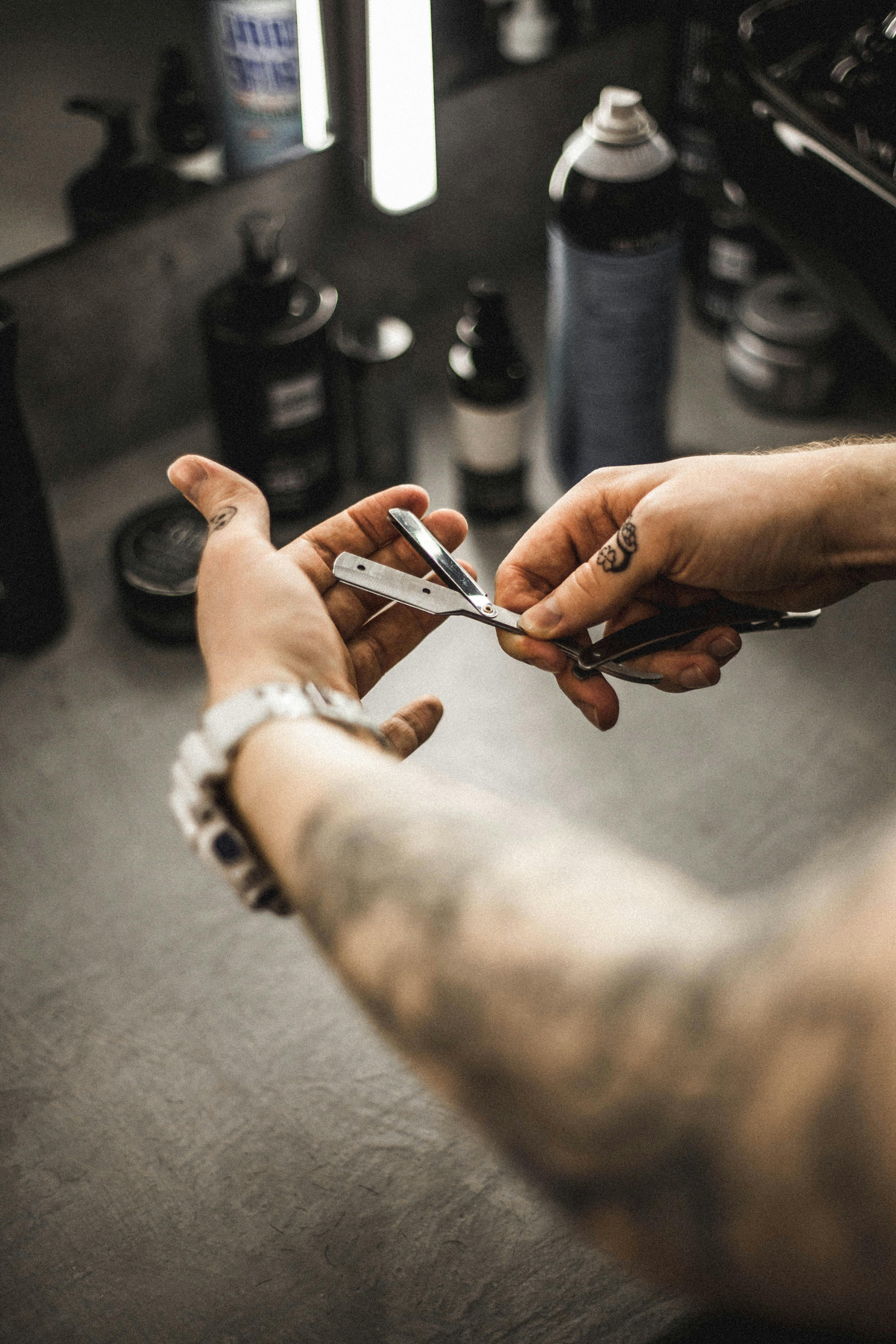
Traditional shaving is attracting a growing number of enthusiasts, from those passionate about the art of shaving to those seeking a more eco-friendly and economical alternative to disposable razors. But to fully enjoy the quality and longevity of your tools – safety razor, straight razor, shaving brush, soap, strop – it's essential to adopt a rigorous maintenance routine. Well-maintained equipment guarantees not only an optimal shaving experience but also impeccable hygiene.
In this comprehensive guide, discover all the best practices for cleaning, drying, storing, and maintaining your traditional razors and accessories. Follow our advice to extend the life of your equipment and preserve the quality of your classic shave.
Why is maintenance crucial for traditional shaving?
A poorly maintained razor can quickly lose its effectiveness, rust, accumulate residue, or become a breeding ground for bacteria. A neglected shaving brush can have damaged, deformed bristles or develop unpleasant odors. As for the strop (sharpening strap), it risks drying out, cracking, or losing its sharpening power. Regular maintenance is therefore essential to:
- Preserve the sharpness and smoothness of the blade
- Prevent oxidation and corrosion
- To ensure perfect hygiene and limit the risk of irritation or infection
- Optimize the lifespan of each accessory
- Preserve the pleasure of an authentic traditional shave
1. Cleaning a traditional razor (safety or straight)
After each shave
- Rinse the razor head thoroughly under hot water to remove all soap residue, hair and dead skin cells.
- For safety razors with removable heads, unscrew the head and remove the blade. Rinse each part separately.
- For straight razors, rinse the blade thoroughly and dry it immediately with a soft cloth.
Weekly or monthly cleaning
- Disassemble the razor (where possible) to access all parts.
- Soak the metal parts (except the blade) in a bowl of hot water with a few drops of mild soap or white vinegar added (to dissolve limescale).
- Use a soft toothbrush to gently scrub the nooks and crannies and remove deposits.
- Rinse with clean water, dry each part thoroughly before reassembling the razor.
Precautions to remember
- Never use abrasive products or wire brushes that could scratch the metal.
- Never soak the blade, as it may rust.
To discover our selection of safety razors and straight razors , visit our dedicated collections.

2. Drying and corrosion prevention
- After each cleaning, immediately dry the razor with a soft towel or microfiber cloth.
- Leave the razor in the open air for a few minutes before storing it, to avoid any residual moisture.
- For straight razors, apply a thin layer of mineral oil to the blade if you are not going to use it for several days, in order to prevent rust.
3. Razor blade maintenance
- Replace your safety razor blade every 5 to 10 uses depending on your beard type and shaving frequency.
- For straight razors, sharpen the blade regularly using a sharpening strop and leather paste if necessary.
- Always dispose of used blades in a collection bin , not in the trash.

Discover our professional quality razor blades .
4. Cleaning and caring for the badger
After each shave
- Rinse the shaving brush thoroughly with warm water to remove all traces of soap or shaving cream.
- Gently shake it to remove excess water.
- Dry it upside down on a suitable support to prevent water from pooling at the base of the hairs.
Deep cleaning (monthly)
- Soak the badger brush for 10 minutes in lukewarm water with a few drops of mild shampoo or white vinegar added.
- Rinse thoroughly, gently squeeze out excess water and allow to air dry, always upside down.
Precautions
- Never use boiling water, which could damage natural or synthetic bristles.
- Never store a wet shaving brush in a drawer or closed case.
Discover our range of shaving brushes and synthetic brushes .
5. Maintenance of sharpening strops and straps
- After each use, wipe the strap with a dry cloth to remove any metal or paste residue.
- Store the strap flat or hanging, away from moisture and direct sunlight.
- Apply a leather balm or special paste every 2 to 3 months to keep the leather supple and prevent it from cracking.
- If the strap becomes too dry or stiff, treat it carefully and avoid using too much product.
Discover our sharpening straps and accessories for leather care.
6. Equipment storage and organization
- Always store your tools in a dry, well-ventilated place.
- Use a shaving case or a dedicated box to protect your razors when traveling.
- Never leave your razor or shaving brush in the bathroom if it is subject to persistent humidity.
- For soaps and shaving creams, close the lid tightly after use to prevent them from drying out or getting moldy.

7. Hygiene and safety: the right actions
- Always wash your hands before and after each shaving session.
- Disinfect contact surfaces regularly with a mild solution (diluted isopropyl alcohol).
- In case of a cut, use an alum stone or a hemostatic pen to stop the bleeding and disinfect the area.
To relieve irritation, explore our aftershave products .
8. Maintenance of additional accessories
- Shaving bowls: Rinse and dry after each use. A wooden bowl (like the Parker mango wood bowl ) should be air-dried with the lid open.
- Supports: Clean them regularly to avoid the accumulation of soap or hard water.
- Soaps and creams: Always take the product with clean hands or a clean brush to avoid contamination.
FAQ: Frequently asked questions about traditional shaving maintenance
How often should I clean my razor?
After each shave for a quick clean, and once a week or month for a thorough clean depending on the frequency of use.
How to prevent rust on a straight razor?
Always dry it thoroughly and apply a thin layer of mineral oil if you are not going to use it for several days.
How can I tell if my badger hair brush is completely dry?
The hair should be soft and no longer feel damp to the touch. Drying it upside down speeds up the process.
When should the blade be replaced?
As soon as shaving becomes less comfortable, or the blade pulls or causes irritation.
Conclusion: The art of traditional shaving is also the art of maintenance
Maintaining your traditional shaving equipment prolongs the pleasure of an authentic ritual and guarantees a flawless result with every stroke. A clean razor, a sharp blade, a supple shaving brush, and a nourished strop are the secrets to a smooth, precise, and hygienic shave.
Feel free to explore our collections to find everything you need for classic shaving and consult our other guides to further develop your routine.
By taking care of your tools, you take care of your skin… and your shaving pleasure!


