


 Make an appointment
 Buy a gift card
 Find a branch
 Reload a gift card
News
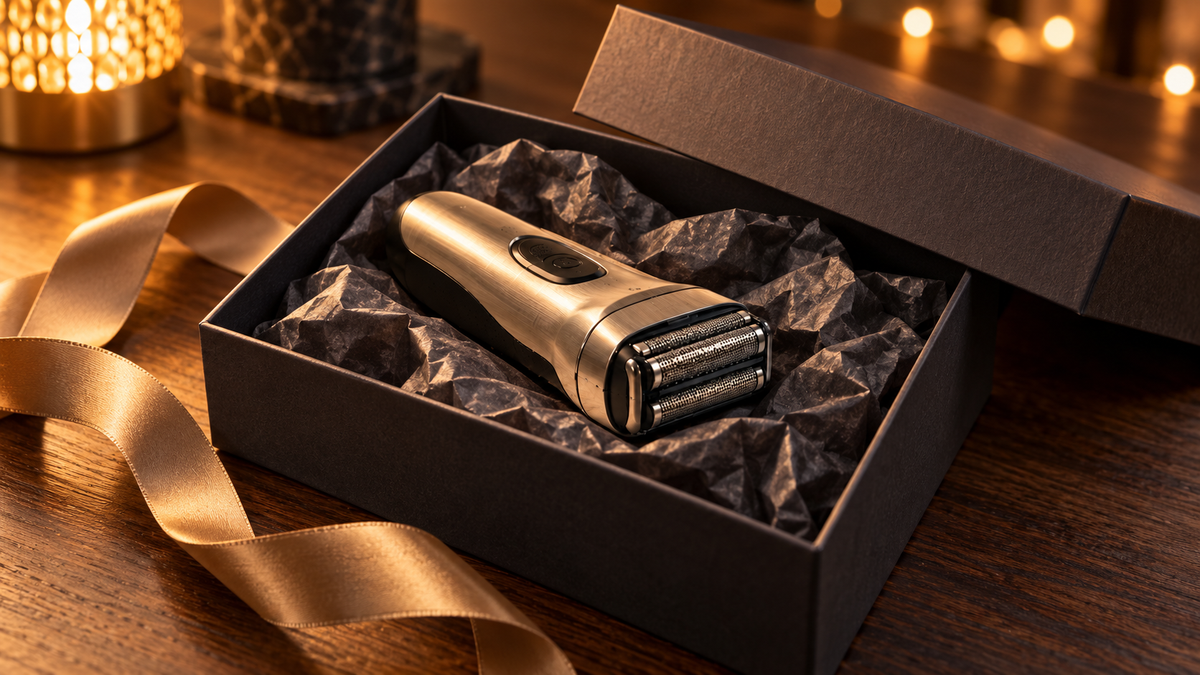

Wet or dry electric shaver: which use for which result
A wet shave generally shaves closer and irritates the skin less, while a dry shave saves time and fits into any time of day. The right choice depends mainly on your skin and your routine, not just the razor you own. What is dry shaving? Dry shaving is done directly on clean skin, without water or foam. This is the most common use of an electric shaver: it is passed over the face, generally in the direction of hair growth or against it depending on the model, without particular preparation. It's the fastest option, ideal in the morning or when traveling. What is wet shaving with an electric shaver? Some electric shavers, identified as waterproof or wet and dry, accept shaving foam or gel and can even be used in the shower. The principle remains the same as for a manual razor: moisten the skin and hair to reduce friction during cutting. Not all models allow this, so you need to check this compatibility before purchasing. Advantages of dry shaving Simplicity is the main advantage of dry shaving. Without hot water or shaving foam, you spend less time in front of the mirror. It's also a good option for skin that doesn't tolerate shaving products well or for improvised shaves outside the bathroom. Advantages of wet shaving Foam or gel reduces friction between the skin and the blades, which limits pulling and irritation. Moistened hairs are also easier to cut, which generally results in a closer shave. Electric shaver manufacturers themselves recognize that a wet shave further limits irritation and allows for a closer shave, even if dry shaving remains faster for daily use. How to know if your electric shaver is wet and dry compatible Look for the mention "waterproof", "wet and dry" or a drop icon on the device or its packaging. A waterproof shaver can generally be rinsed under water for cleaning, but this doesn't always mean it accepts shaving foam during use. Check both points separately before changing your routine. Sensitive skin: which method to choose For sensitive skin or skin prone to redness, wet shaving with a compatible razor often remains the gentlest choice. If you still prefer dry shaving, lighten the pressure of the razor and shave in the direction of hair growth to limit irritation. Even with an electric shaver, which rarely causes cuts, keeping an alum stone or hemostatic pencil handy is still useful if you alternate with a safety razor for finishing around the neck or sideburns. Our recommendation according to your routine If you shave every day and are looking for speed, dry shaving is very suitable. If you have sensitive skin or want a closer shave for a specific occasion, opt for a waterproof model and take the time for a wet shave. Several electric shavers also allow you to alternate between the two depending on the moment, which offers the best of both worlds without having to choose a single device. Frequently Asked Questions Should I use shaving cream with an electric shaver? Only if your model is identified as waterproof or wet and dry. The majority of electric shavers are designed for dry use, on clean skin without product. Is wet shaving really better than dry shaving? It generally shaves closer and irritates less, but dry shaving remains faster and more practical for daily use. The best choice depends on your skin and the time you have available. Can I use an electric shaver in the shower? Only if the model is waterproof and designed for this use. Always check the manufacturer's instructions before getting it wet. What type of shaver should I choose for sensitive skin? A waterproof model used for wet shaving, with suitable foam or gel, generally limits irritation on sensitive skin the most. In summary Dry for speed, wet for gentleness and a closer shave: the choice depends on your skin and your schedule, not a universal rule. Our article on foil or rotary shavers complements this guide if you are still hesitant about the type of head to choose, and our comparison high-end vs. entry-level electric shaver helps you set a budget according to your needs. Discover our collection of electric shavers to find a model compatible with the method that suits you, or our collection of safety razors for an even closer traditional wet shave.

High-end vs. entry-level electric shavers: is the price difference justified?
A $200 electric shaver is not automatically better than a $50 model, but the price difference does reflect real technical differences. Whether it is a good investment depends primarily on how often you use it and your expectations regarding comfort. What sets an entry-level electric shaver apart Entry-level models focus on the essentials: a simple motor, one or two cutting heads, shorter battery life, and few accessories. They do their basic job well, especially for occasional shaving or emergency use. Their main advantage remains the purchase price, which is generally under the $60 mark. What sets a high-end electric shaver apart High-end models add more numerous and flexible cutting heads, sensors that adapt power to hair density, better battery life, and often an automatic cleaning station. These additions generally result in a more comfortable shave, especially with prolonged daily use over several years. Where your money really goes Cutting technology is the biggest factor in the price: more heads, more flexibility, and better sensors are expensive to develop. Materials also play a role; a housing that is more resistant to wear and moisture generally lasts longer. The automatic cleaning station, when included, adds significant cost but reduces daily manual maintenance. Lifespan and true long-term cost An electric shaver is not a one-time expense. You must plan for replacing heads or foils, usually every 18 to 24 months. In this regard, high-end models do not necessarily cost more to maintain, but their replacement parts are sometimes more expensive per unit. Over 5 years, an entry-level model replaced once can end up costing almost as much as a well-maintained high-end model. Who should invest in high-end A daily shave, sensitive skin, or dense beard often justify the investment. The additional comfort and better handling of stubborn hair are particularly noticeable in these cases, and the device is used often enough to make the price difference worthwhile. Who can settle for entry-level For occasional use, a touch-up shave between barber visits, or a first electric shaver to try before committing further, the entry-level is more than enough. There is no reason to pay for features that will never be used to their full potential. Frequently asked questions Does an expensive electric shaver last longer than a cheap model? Generally yes, thanks to more resistant materials, but regular maintenance extends the lifespan of both categories. What is the average lifespan of an electric shaver? The motor and housing often last for several years, but the heads or foils must be replaced every 18 to 24 months depending on usage. Does a high-end electric shaver irritate the skin less? Often yes, thanks to sensors that adapt power and more flexible heads, but shaving technique remains just as important. Is it better to buy an entry-level electric shaver first? To discover electric shaving or for occasional use, it is a reasonable way to start before investing more. In summary The price reflects real technical differences, but the right choice depends on your shaving frequency and your expectations, not a universal rule. Our articles on foil or rotary heads and on dry or wet shaving complement this guide to determine exactly the type of shaver that suits you. Our complete buying guide summarizes all these decisions in one place. Discover our collection of electric shavers to compare models according to your budget.

Electric shaver: foil or rotary? How to choose according to your beard
Wet shaving generally shaves closer and irritates the skin less, while dry shaving saves time and can be done at any time of day. The right choice depends mostly on your skin and your routine, not just the razor you own. Foil shaver: a straight motion, like a manual razor The foil shaver uses one or more thin perforated foils under which oscillating blades move. You use it in straight lines, up and down or down and up, much like a traditional razor. The foil catches the hair and guides it to the blade without the blade directly touching the skin. This technology generally shaves closer and is well-suited for those who shave daily, as it handles short, regular hairs better. The back-and-forth motion is also faster on large, flat areas of the face, such as the cheeks. Rotary shaver: a circular motion, for longer hair The rotary shaver works in reverse. Its cutting heads pivot in a circle and follow the contours of the face rather than a straight line. This flexibility allows it to better conform to the jawline, chin, and neck, areas where a rigid foil shaver has more difficulty. According to Philips' technical explanations on both systems, this distinction in motion, circular versus linear, explains the majority of the differences in results between the two technologies. This technology is also better suited for longer, denser, or curly hair, as the heads catch and cut hairs that a finely perforated foil might simply miss. This is why it is more suitable for men who do not shave every day. Based on your beard type and shaving frequency This is the most important criterion in your choice. If you shave every day or almost every day, with rather fine and regular hair, the foil shaver will give you a cleaner result, faster. If you skip days, if your beard grows thickly or is curly, the rotary shaver will better manage regrowth without requiring multiple passes. Sensitive skin: which irritates less? Both technologies generally cause less irritation than a manual razor, but each has its limitations. The foil shaver, with its straight and repetitive motion over the same area, can heat up the skin if you insist too long in the same spot. The rotary shaver, by conforming better to the curves of the face, reduces repeated pressure, which helps sensitive skin or skin prone to redness. Even if electric shaving rarely causes cuts, occasional irritation is still possible, especially during the adaptation period to a new technology. Keeping an alum block or a styptic pencil handy is still a good habit if you alternate with a safety razor for finishing or outlining, especially around the neck and sideburns. Precision around contours, mustache, and sideburns The foil shaver stands out here. Its more compact head and straight motion allow for precise lines around a mustache, sideburns, or goatee. The rotary shaver, being wider and designed to cover large areas in a circular motion, is less precise for this type of detail. If you wear a trimmed beard with defined contours, allow extra time with a rotary shaver, or keep a foil shaver as a complement for finishing touches. Maintenance and lifespan Both types of razors require regular maintenance, but not in the same way. Foils are more fragile and can puncture or wear out over time, typically around 18 months of regular use. Rotary heads are more robust and often last a little longer, around two years, but their mechanism involves more moving parts to clean. In both cases, cleaning after each shave extends the life of the blades and maintains consistent shave quality. Dry shaving, wet shaving: is it compatible with both technologies? Good news, most recent models, both foil and rotary, now offer a waterproof option, allowing for wet shaving with foam or gel, or in the shower. However, this is not always the case depending on the model. Our guide on dry vs. wet electric shaving explores in detail the advantages of each method and how to know if your shaver is compatible. Foil or rotary: the comparative table Criterion Foil Shaver Rotary Shaver MovementStraight linesCircular motion Ideal beard typeFine hair, daily shavingLong, thick, or curly hair Contour precisionExcellentMedium Facial contour followingLimitedExcellent Average lifespanAround 18 monthsAround 2 years NoiseQuieterLouder Frequently Asked Questions What is the difference between a rotary shaver and a foil shaver? A foil shaver cuts hair through a thin perforated foil with a straight motion, while a rotary shaver uses pivoting heads in a circular motion to follow the contours of the face. Which type of shaver shaves closest? The foil shaver generally provides a closer shave, especially for fine hair and daily use. The rotary shaver handles longer hair better but cuts slightly less close. Should I use shaving cream with an electric shaver? It depends on the model. Some waterproof shavers can be used with foam or gel for a wet shave, but most electric shavers are designed for dry use, directly on clean skin without product. Why isn't my electric shaver shaving well? The problem most often comes from worn foils or heads, lack of regular cleaning, or an incorrect shaving angle. Replacing the cutting parts at the recommended interval resolves most of these cases. In summary The choice between foil and rotary heads comes down to your beard, not the brand or price. For fine hair and daily shaving, the foil wins. For long, dense, or curly hair with less frequent shaving, rotary heads have the advantage. Discover our complete selection of electric shavers to compare available models based on your profile. For an even closer shave on occasions that demand it, our collection of safety razors remains a complementary option to consider. Still hesitating between a more affordable model and a high-end one? Our comparison high-end vs. entry-level electric shaver directly answers this question.


