


 Make an appointment
 Buy a gift card
 Find a branch
 Reload a gift card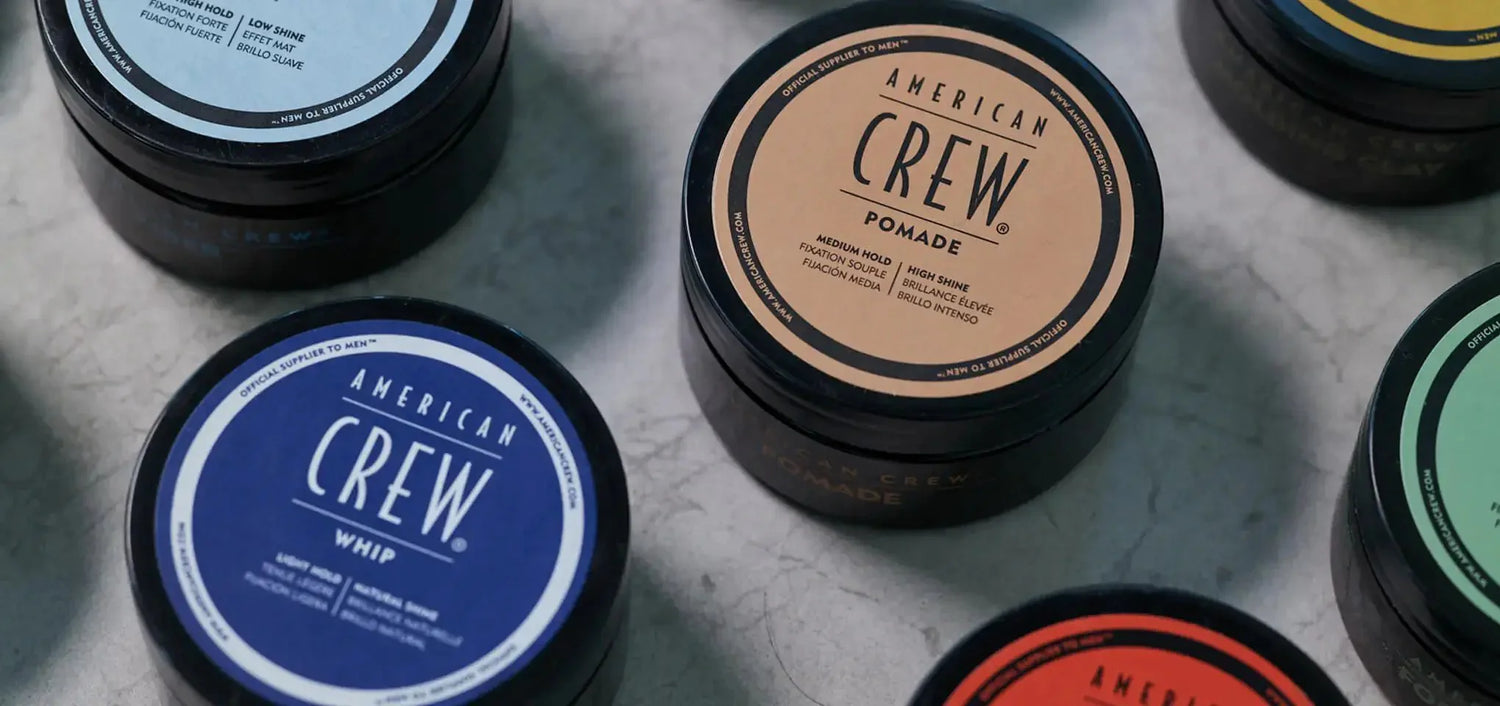


Product of the moment


Vendor: WAHL Professional
Pro Series High Visibility Cordless Trimmer with 3 Interc...


Sounds chosen for every mood
Listen to our curated playlists while you relax, work, or style your hair.
Our blogs
Check out our latest articles for expert advice, trends, and tips on hair care, styling, and more!

How to care for men's gray or white hair: tips and suitable products
Men's gray hair and men's white hair are more than just a change in color. With the gradual decrease in melanin, the hair fiber can also become drier, rougher, sometimes more porous, and therefore more difficult to manage. The result: a haircut that used to fall easily can appear more "puffy," a strand can rebel, and the shine can shift to dull or yellowed reflections.. Good news: with a few adjustments to your white hair care (and gray hair), you often get a cleaner result than before. Silver hair has a unique ability to highlight a precise cut, clean contours, and a well-worked texture. In this article, you will find practical tips for styling gray hair, common mistakes to avoid, and a selection of useful routines and products (including anti-yellowing solutions and men's gray hair coloring options if you wish to camouflage). Why do gray/white hairs turn yellow? Yellowing is one of the most frustrating aspects when hair loses its pigment. It does not come "from within" but rather from what settles on the fiber or from surface oxidation. Pollution, smoke, dust: particles adhere more easily to a fiber that is sometimes more porous. Hard water: certain minerals can dull and give a warmer tint. Oxidation / UV: the sun can warm the color, especially on white hair. Styling product residues: some waxes, gels, or sprays can "clog" and promote a yellower tone. This is where anti-yellowing hair products come in: pigmented shampoos and treatments (often purple or bluish) optically neutralize yellow reflections and restore a more silvery appearance. Gray hair styling: the principles that make a difference 1) Focus on clean contours Gray and white hair naturally draws attention to the hairline, sideburns, and nape. A neat finish immediately highlights the cut. Even a simple cut looks more "premium" when the contours are regularly maintained. 2) Work on texture rather than volume With age or depigmentation, some hair becomes drier and swells. The goal is often to control and texturize rather than seek volume. A well-tapered (or structured) cut and a suitable styling product enhance elegance. 3) Choose a styling product that doesn't weigh down Gray hair can quickly appear dull if a product is too greasy or leaves a heavy effect in the hair. Prefer flexible formulas, with a natural or matte finish depending on your style, used in small quantities. To learn more about choosing styling products, you can consult How to choose your men's styling product according to your hair and style. 4) Take care of the shine (not just the cut) Two identical cuts will not have the same result depending on the condition of the hair fiber. On white hair, shine and softness are achieved with a suitable shampoo, a revitalizing treatment, and a well-managed anti-yellowing routine. Men's gray hair cut: which cuts work best? There isn't one "best" cut, but some styles particularly enhance the silver shade. The choice depends on your density, hairline, beard, and the time you want to spend on styling. Structured short cut (modern classic) Ideal if you want simple maintenance and a clean look. Shorter sides and a slightly textured top highlight the natural contrast of gray. This option works very well when hair becomes more unruly. Ask your barber for: a clean fade, textured top, neat contours. Styling: a small amount of matte paste or light styling cream. Fade + short to medium top The fade gives a contemporary look and highlights the silver color. It can also reduce the "mass" effect if the hair swells. A medium fade is often easier to wear than a very high skin fade, especially if density is irregular. Textured crop Excellent for straight to slightly wavy hair. The crop frames the face and gives a neat look without too much styling. On white hair, it offers a very graphic result. Side part / natural parting A soft parting works well if your hair holds its style impeccably. This gives a more "business" style and highlights natural shine — provided you control yellow reflections. Silver medium-length hair On gray hair, medium-length can be superb but requires a more regular routine: hydration, anti-yellowing, and light styling products to avoid a heavy effect. If your hair is dry, a conditioner becomes almost indispensable. Assumed clear (or very short) skull If density decreases sharply, a very short (or even shaved) cut can be the best "hairstyle": minimalist, neat, easy. Maintenance then shifts to the scalp (gentle cleansing, sun protection, hydration). White (and gray) hair care routine: simple and effective The most effective routine is not necessarily the most complicated. The goal is to keep hair clean, soft, and luminous, without overloading it with purple pigments. Step 1: Anti-yellowing shampoo (purple or silver) Start with an anti-yellowing shampoo to neutralize yellow reflections from the start. Apply to wet hair, lather evenly, focusing on the most affected areas (temples, top), then leave on for 1 to 3 minutes as needed. Then rinse very thoroughly. This first wash acts as a color correction. It revives gray or white without leaving undesirable pigments if rinsing is done properly. You can find a dedicated selection in the Gray and white hair shampoo collection. Step 2: Gentle shampoo suitable for the scalp Follow with a gentle shampoo suitable for your scalp (normal, dry, oily, sensitive). This second step deeply cleanses, removes purple pigment residues, and leaves hair clean, light, and easy to style. Many men only use an anti-yellowing shampoo, but used alone and too often, it can dry out the hair or leave a slight residue. This two-step approach is more balanced and gives a better daily result. If you're looking for a comprehensive approach by hair type, this article can help: Best shampoos for men by hair type. Step 3: Conditioner / treatment to soften and discipline Gray or white hair can become drier and rougher over time. Apply conditioner to the lengths only, never directly to the scalp (unless it's a specific product like some "Scalp Therapy" ranges). This helps to smooth the hair fiber, improve softness, and make styling easier. This also helps to avoid the "straw" effect and maintain a cleaner, more controlled look. A selection is available here: Gray and white hair conditioner. Step 4: Light and regular styling Once hair is clean and well-prepared, styling should remain simple. Use a small amount of product, warmed well in your hands, then apply gradually. Avoid products that are too greasy or too heavy, which can dull the color or weigh down the hair. To explore suitable options (pastes, creams, sprays), you can consult the Styling products collection. What is the best shampoo for men's white hair? The "best shampoo for men's white hair" depends on your main goal: Neutralize yellow: favor a purple or silver (pigmented) shampoo, to be used alternately. Keep hair soft: choose a formula that doesn't strip and combine with a conditioner. Avoid purple reflections: prefer a short application time and less frequent use. Two examples of products often chosen for anti-yellowing: Dualsenses Silver Shampoo: designed to revive silver shades and help neutralize warm tones. Captain Fawcett's Bianco Classico Purple Shampoo: useful for targeting yellow reflections on gray, white, or bleached hair. If you hesitate between several options, the idea is not to use the most pigmented possible, but the one that neutralizes just enough without drying out your hair. How to use purple shampoo without damaging or over-pigmenting Purple shampoo is effective, but it should be managed as a corrective tool. Here's a simple method: Wet thoroughly: rinse for a long time to saturate the hair fiber. First quick lather (optional if a lot of styling product is used): a gentle shampoo to remove residues. Application of purple shampoo: distribute evenly, focusing on the yellower areas (temples, top). Short application time: start with 1 minute. Increase if necessary. Complete rinsing: the water should be perfectly clear. Conditioner: to maintain flexibility. If your hair takes on a slightly purplish tint, it's generally not serious; simply space out applications and return to a gentle shampoo for a few washes. Styling: what products to use on gray or white hair? The choice of styling product directly influences the shine. A well-chosen gray hair product helps maintain a clean finish without dulling the color. Natural to matte finish (for a modern look) Matte styling pastes: control texture without excessive shine, ideal for crops, short cuts, textured tops. Clays: very good hold, perfect if hair is thick; use sparingly to avoid a dry look. Light and flexible finish (for fine or medium-length hair) Styling creams: discipline without freezing, often more suitable for hair that becomes dry. Texturizing sprays: add body without heaviness, useful for a controlled messy look. Controlled shine (classic style) Water-based pomades: useful for classic, slicked-back, combed looks. They give a clean and structured finish. But on gray or white hair, be careful with very shiny products (pomades, gels). The shiny finish can visually darken the hair, much like when it's wet, and reduce the "silver" effect. If you choose this type of product: use very little prefer versions with light or natural shine and make sure to rinse well to avoid accumulation Beard and gray hair: harmonizing without aging Gray hair and a gray beard can give a lot of character. To avoid a "tired" effect, harmony is achieved through: Clean lines: cheeks, neck, neat sideburns. A well-maintained beard: even if short, it should be trimmed regularly. Consistency of tone: if hair yellows but the beard doesn't (or vice versa), the overall look seems less polished. An anti-yellowing product for hair often helps to balance this. Camouflage or embrace: men's gray hair coloring options Some want to fully embrace it, others prefer to reduce the contrast, especially at the temples. Men's gray hair coloring is not necessarily a radical transformation: discreet camouflage can give a harmonious result. Progressive camouflage (the most natural) Camouflage aims to soften white hair without a "helmet" effect. This is often the best option if you want to keep a little salt and pepper. Advantages: more discreet regrowth, subtle result. To watch out for: choosing too dark a shade hardens the features. Full coloring More covering, it requires more maintenance (visible regrowth). It can be interesting if you want to regain a clean uniformity. In this case, salon application is often preferable for a natural result and a well-calibrated shade. Embraced but "cooled" gray Between embracing and coloring, there's a very popular path: keeping gray/white, but regularly neutralizing yellow reflections with a purple/silver shampoo. This is often what changes the visual result the most, without affecting the natural color. Common mistakes with white hair (and how to avoid them) Using purple shampoo every day: this can dry out and sometimes overload with pigments. It's better to alternate. Forgetting conditioner: a conditioner changes the manageability and appearance of the hair fiber. Accumulating styling products without clarifying: residues dull and can accentuate yellowing. Choosing too "soft" a cut: on gray hair, imprecise contours can give a neglected look. A structured cut is more flattering. Dyeing too dark: the result often looks artificial. Subtle camouflage is generally more flattering. Simple maintenance plan according to your goal Goal A: very luminous gray/white (anti-yellowing) 2 to 4 washes / week: gentle shampoo as needed. 1 to 2 washes / week: purple/silver shampoo (short application time). After each wash: conditioner if hair is dry or rough. Goal B: disciplined gray hair (less frizz, better hold) Base: gentle shampoo + conditioner. Styling: light styling cream or matte paste in small quantities. Cut: regular contour maintenance (every 2 to 4 weeks depending on growth speed). Goal C: reduce the impact of white hair Option 1: progressive camouflage (natural result, more discreet regrowth). Option 2: keep gray and neutralize yellow (often sufficient to appear more polished). Common questions Men's gray hair: should it be hydrated more? Often, yes. Even if it's not systematic, the hair fiber can become drier. Regular conditioning improves softness and limits rebellious strands, which makes styling easier. Why does my white hair appear dull despite purple shampoo? Two common causes: accumulation of residues (styling products, hard water) or lack of care (rough hair fiber that diffuses light). Alternating with a gentle shampoo, rinsing well, and adding a conditioner generally helps. Can purple shampoo color my hair? It deposits pigments on the surface. On very porous hair, too long or too frequent application can leave a purplish tint. The solution is simple: reduce the application time, space out uses, and return to a gentle shampoo for a few washes. What cut for men's gray hair should I choose if I'm losing density? Shorter, structured cuts with a moderate fade often give a more uniform result. They limit the "thinning areas" effect and require less styling. Key takeaways Beautiful gray hair styling relies on three pillars: a suitable cut (often more structured), a white hair care routine that preserves softness, and control of reflections via a good men's gray hair shampoo anti-yellowing. Whether you choose to fully embrace it, cool the shade, or opt for men's gray hair coloring as camouflage, the goal remains the same: healthy, luminous, and easy-to-style hair.

Men's thin hair: styling tips and products to add more volume
Men's fine hair is often confused with thinning hair. However, they are not the same thing: "fine" hair primarily describes the diameter of the hair fiber, which is smaller than average. One can have a lot of hair, but if it's fine, it can still give the impression of lacking density, especially at the roots. The result: hairstyles quickly fall flat, the scalp can be more visible, and some creamy products weigh down the hair instead of helping. The good news is that with the right techniques, a men's fine hair hairstyle can significantly gain volume. The goal is not to "transform" the hair fiber overnight, but to create volume for fine hair and optimize the available hair.. Fine hair, thinning hair, early hair loss: how to tell the difference? To adapt your routine, you need to distinguish between: Fine hair: the fiber is supple, light, sometimes "silky," and easily lays flat. Thinning hair: the density (number of hairs) decreases. Areas become more sparse, often at the temples (frontal area on the sides) and the vertex (top of the head). Fine hair + oily scalp: a common combination, as sebum spreads quickly on fine hair, giving a flat effect. If you notice persistent hair loss or rapid thinning, medical advice may be helpful. But even with decreasing density, styling techniques and quality products can improve the immediate appearance. Mistakes that flatten fine hair (and how to avoid them) Before looking for a miracle product, start by eliminating what causes your hairstyle to fall flat. Many men with fine hair accumulate habits that cancel out volume. Overly rich shampoos (ultra-nourishing, highly silicone-based): they coat and weigh down the hair, especially at the root. Conditioner on the scalp: reserve it for the lengths, otherwise a "plastered" effect is almost guaranteed. Styling on hair that is too wet: the hair sticks together and then dries in a flat position. Greasy pomades: they give shine but "glue" the hair mass together. On fine hair, this is often the opposite of volume. Too much product: on fine hair, the dose should be minimal. Add more if needed, but do not overload. A good fine hair volume tip is to favor lightness: matte, texturizing formulas, and drying techniques that lift the roots. Men's fine hair haircuts: styles that create the illusion of density The foundation of volume is the haircut. A well-thought-out men's fine hair haircut creates support points: controlled lengths, clean transitions, and above all, movement. The goal: avoid stretched, limp strands that flatten out. 1) Tapered sides + textured top: a safe bet A tapered cut (low, medium, or high) lightens the sides, highlights the top, and immediately gives an impression of density. For the top, ask for a textured cut (with scissors, with controlled thinning at the tips) so that the strands lift more easily. Ideal if your fine hair lacks hold. Easy to style with a matte paste, clay, or volume powder. 2) French crop / textured crop: simple and effective The crop works very well: short length on top, prominent texture, short or irregular fringe. Since the hair is shorter, it "falls" less and appears thicker. Good choice if you are looking for a quick hairstyle in the morning. Compatible with hair volume powder or matte clay. 3) Short side part: controlled structure and volume A side part, with moderate length, can work very well provided you maintain volume at the roots. The danger is overly sleek styling. Opt for a matte finish and a drying process that lifts the hair. 4) Buzz cut / very short: if fineness is very noticeable When fineness is accompanied by scalp transparency, a very short cut can be a strong aesthetic option: the short length reduces contrast and simplifies the routine. Volume is no longer the issue: the focus is on neatness. To avoid (often): "limp" medium-length graduated cut Fine hair worn too long without structure tends to form "curtain-like strands" that separate. If you like length, compensate with a very textured cut and real drying work, otherwise the flat effect quickly returns. Washing routine: the basis of volume and hold Volume starts in the shower. A clean scalp, light hair fiber, and controlled drying are often worth more than an accumulation of products. For men's fine hair, the idea is to cleanse effectively without stripping, and to avoid residues that weigh hair down. How often to wash fine hair? There is no universal rule. Many men with fine hair feel the need to wash it more often because sebum quickly becomes visible. If your roots become greasy within 24-48 hours, frequent washing may be appropriate, provided you choose a suitable men's fine hair shampoo. Fine hair and oily roots: often 4 to 6 washes/week (depending on sport, helmet, perspiration). Fine but dry hair: 2 to 4 washes/week, and light care on lengths if necessary. What is the best shampoo for men's fine hair? What it should do The best shampoo for men's fine hair is not necessarily "the most nourishing." For most fine hair, we look for: Effective cleansing of the scalp (to lift the roots). Thickening effect or light coating (to give a feeling of body). Easy rinsing (less residue = more volume). An example of a volume-oriented formula is a thickening shampoo. You can check out the Lemon Sage Thickening Shampoo, often appreciated for its "density" effect and lightness on fine hair. To explore other options in the same family, the Volumizing Shampoo collection brings together products designed to lift roots and improve bounce. If you want to understand how to choose according to your scalp type (oily, sensitive, dandruff...), the article Best shampoos for men according to hair type helps clarify things. Conditioner: yes, but only where needed. If your fine hair gets tangled or static, conditioner can be useful. In most cases, it is applied only to the lengths, to avoid weighing down the roots. But be careful. Some products are designed to be applied directly to the scalp, especially specialized ranges like Scalp Therapy (Nioxin) treatments. These formulas aim to stimulate the scalp without a greasy effect or loss of volume. The simple rule: Classic conditioner → lengths only Targeted scalp treatment → can be applied to the roots Leave on for a short time, then rinse thoroughly. Drying: the most underrated trick to gain volume If you only remember one fine hair volume trick, it would be this: how you dry your hair creates or destroys volume. Effective drying can transform a flat hairstyle into a structured one, even with little product. The simple method (effective for everyday use) Towel dry without aggressive rubbing. Hair should be damp, not dripping. Pre-heat with a hairdryer for 20 to 40 seconds, head upright, to remove excess water. Work the roots: direct the air towards the roots while brushing or lifting with your fingers. Change direction: dry forwards, then backwards, then to the side. This prevents the hair from flattening in one direction. This "in-motion" drying gives natural volume and perfectly prepares the application of a men's fine hair product (powder, clay, matte paste, spray...). Root lift: lifting the roots without weighing them down If your roots quickly fall flat, a root-lifting spray can help, especially before blow-drying. The Root Lifting Spray is typically used to provide hold at the base without making hair greasy. Styling products: which ones really work on fine hair? For fine hair, the best strategy is often to combine texturization + light to medium hold + matte finish. Products that are too shiny or too greasy tend to "reveal" the scalp and reduce volume. To delve deeper into the logic of choice (hold, shine, hair type), you can read How to choose your men's styling product according to your hair and style. Hair volume powder: the weapon against flat hair Hair volume powder is often one of the best allies for fine hair: it adds texture at the roots, absorbs excess sebum, and creates an immediate "lift" effect, without a greasy feel. When to use it: on dry hair, as a finishing touch, when the hairstyle lacks volume. Where to apply it: especially at the roots (crown, areas that flatten), then massage lightly. How much: very little initially. Add more in small touches. You can discover the Texturizing Powder collection or a popular example: Devil's Dust Volumizing Hair Powder, known for giving a quick volumizing effect and a rather matte finish. Styling clay: matte hold and strand separation Styling clay often provides an excellent volume/hold ratio on fine hair, as it adds body and a matte finish. It helps create natural separation of strands, which visually thickens the hair. Hair paste: versatile, ideal for controlled natural look A matte or semi-matte hair paste can be very suitable if you want a flexible, restyleable hairstyle without stiffness. For fine hair, opt for a light paste and warm it thoroughly between your hands before application. Hair spray: hold without greasing A hair spray helps to set volume, especially after blow-drying. Look for a spray that provides hold without making hair sticky. Use at a distance, in a light mist, then adjust. Hair mousse: body before drying Hair mousse is interesting for fine hair because it distributes easily and adds "body" before drying. It is particularly useful if you blow-dry your hair almost daily. A simple guide: choosing the right product texture Fine hair + oily roots: texturizing powder, light spray, matte clay. Fine hair + dry: light paste, mousse, spray (avoid excessive powders). Fine hair + need for hold: matte clay + finishing spray, or mousse + blow-drying. To explore all options, you can consult Styling Products. How to apply a product when you have fine hair (without losing volume) The best formula is useless if the application is too heavy. For fine hair, it's often the doses and the order that make the difference. Golden rules Start small: a pea-sized amount (paste/clay) or a pinch (powder). Add more afterwards. Prioritize the roots if you're looking for volume, but don't saturate: a light deposit is enough. Work the texture: scrunch, lift, create clean separations rather than smoothing. Avoid the wet look: on fine hair, it highlights the scalp and "glues" the strands. Examples of quick routines (3 minutes) Routine 1: natural matte volume Dynamic drying (lifted roots). Small amount of clay or matte paste on top. A micro-touch of powder at the roots if needed. Routine 2: stronger hold without weighing down Mousse on damp hair. Blow-drying while lifting. Light mist of hairspray to set. Routine 3: day after shampoo (oily roots) A little texturizing powder at the roots. Light massage + reshape with fingers. Very light spray if necessary. Thickening fine hair: what's possible, and what's a myth Many people seek to permanently thicken fine hair. It's important to be precise: the natural diameter of hair is largely determined by genetics. However, you can: Visually thicken with the right cut, texture, and a matte finish. Temporarily thicken the hair fiber with thickening treatments. Optimize scalp health and limit factors that weaken hair (excessive heat, friction, aggressive products). A thickening men's fine hair product (especially certain shampoos) can give a feeling of denser hair immediately after drying, which facilitates styling. The effect is usually cosmetic and reversible, but very useful for daily use. Lifestyle and scalp: real impact on hair quality Without promising miracles, some parameters influence hair quality and the ease of achieving volume: Stress, sleep: can amplify seasonal hair loss or fragility. Diet: a deficiency (iron, zinc, protein) can reflect on the hair. Scalp irritations: dandruff, itching, excess sebum can complicate hold. If you notice unusual hair loss, persistent irritation, or patches, a healthcare professional remains the best point of contact. Styling techniques that boost volume (without complicated equipment) You don't need to spend 20 minutes in front of the mirror. Fine hair responds very well to a few simple techniques. Creating volume by "anchoring" strands After drying, place the hairstyle in the desired shape (backwards, to the side, messy). Then: Apply a small amount of product. Lift in sections (2–3 cm) to create space between the strands. Finish by lightly pinching the ends for a thicker texture. Changing the part (or not having one) Always wearing the same part can flatten an area and create a visual "path." Alternate the styling direction: this restores bounce to the roots and improves the volume of fine hair. Avoid accessories that crush volume Tight caps, helmets, or beanies flatten fine hair. If you wear them often, a texturizing powder or a quick blow-dry (30 seconds) may be enough to restore shape. Frequently asked questions about styling men's fine hair What product should I use if my fine hair gets greasy very quickly? Often, the best combination is: light, volumizing shampoo + texturizing powder in small quantities at the roots. Avoid greasy waxes and shiny pomades, which accentuate the flat effect. Does powder damage hair? Used correctly (small amounts, regular washing, no over-layering for days), powder is generally well tolerated. The main risk is residue buildup if you use too much or if you space out shampoos too much. Fine hair: is matte or shiny better? Matte is often more flattering, as it gives an impression of density and avoids the "glued-on strands" look. Shiny can work if you have a lot of density, but on fine hair, it often reduces volume. How to maintain volume all day? Three levers: good drying (lifted roots), a light texturizing product (powder/clay/matte paste), and possibly a finishing spray. Avoid touching your hair continuously: this transfers sebum and makes it fall flat. In summary: a simple strategy for more volume For a successful men's fine hair hairstyle, you don't need a complex routine. Focus on the essentials: A suitable cut (tapered + textured top, crop, short side part). A good men's fine hair shampoo (cleansing, light, ideally thickening/volumizing). Root-focused drying to create volume before any product. A light styling product: hair volume powder, matte clay, light paste, mousse or spray depending on your needs. By applying these principles, you will immediately improve the result (visual density, hold, texture) and simplify your daily styling, even if your hair is naturally fine.

How to choose your men's hair product according to your hair and style
Between an impeccable cut that lasts all day and a hairstyle that falls flat after an hour, the difference often comes down to the men's hair product you use (and how you apply it). Many men randomly buy a gel or wax, then conclude that "it doesn't work on my hair." In reality, there's a simple logic to finding which product to style men's hair based on three criteria: hair type (fine, thick, straight, curly...), finish (matte or shiny, natural or sleek), and hold (flexible to very strong).. In this guide, we'll see how to choose a hair styling product step-by-step, with concrete benchmarks, common mistakes to avoid, and examples of products and textures (gel, wax, pomade, paste, clay, powder, spray). The goal: to help you find the best men's hair product for your daily routine, without overloading your hair or damaging your scalp. Mini-guide: which product to choose in 30 seconds Fine hair: texturizing powder or light paste, matte finish. Thick hair: strong wax, dense paste, or strong pomade depending on matte/shine. Modern textured look: clay or paste (matte to natural). Classic combed look: pomade (natural to shiny). Very neat and rigid hold: gel. The 3 essential criteria: hold, finish, and restyleability 1) Hold: light, medium, strong, very strong Hold refers to the product's ability to maintain shape. The thicker, denser, or more difficult to style your hair, the more hold you'll need. But stronger isn't always better. On fine hair, too strong a hold can weigh down and flatten volume. Light hold: natural movement, subtle styling. Medium hold: good balance, ideal for everyday. Strong hold: structured hairstyles, thick hair, long-lasting effect Very strong hold: slicked-back styles, pompadour, rigid effect that stays in place even in difficult conditions (wind, helmet, etc.). 2) Finish: matte, natural, shiny The finish influences the style more than the hold. A matte finish gives a modern, textured, often more natural look. A shiny finish evokes a classic, neat, sometimes more pronounced or retro style. Matte: texture, volume, "dry hair" effect. Natural: discreet, ideal if you don't like to feel product in your hair. Shiny: sleek, slicked-back, vintage look. 3) Restyleability: ability to adjust during the day Some products "freeze" the hairstyle (often very strong-hold gels), while others allow you to restyle throughout the day (pomades, pastes, waxes). If you wear a helmet, move a lot, or like to adjust your style, this criterion is extremely important for your men's styling routine. 4) Subtle integration of customer feedback (greasy pomades) Some oil-based pomades offer precisely this very pronounced glossy finish. They are often used on thick hair for very classic styles, but require a suitable shampoo to remove them properly. Understanding the main families: gel, wax, pomade, paste, clay, powder, spray The classic question gel, wax or pomade comes up all the time. In reality, you need to broaden your perspective: paste, clay, texturizing powder, and styling spray are often more suitable for certain hair types or styles. Gel: neat hold and often shiny appearance Gel is useful if you want a firm hold and a clean finish. Modern gels can be less "crunchy" than before, but they often retain a signature: a more rigid style and fast setting. It's practical for slicked-back hairstyles, neatly combed sides, or a wet look. To explore: hair gel. Wax: versatility and control, matte to natural finish Hair wax is widely used in men's styling because it offers a good compromise: hold, definition, and the ability to restyle. Some waxes are more fibrous (ideal for texturizing), others smoother. On fine hair, apply a small amount to avoid weighing it down. On thick hair, wax helps to better control the mass and keep a hairstyle in place, especially if it's not too greasy. To explore: Hair wax Pomade: shine (or natural) and classic styling, very "comb-friendly" Pomade is often the best option for neat, combed styles, with progressive hold and excellent restyleability. There are shiny pomades (retro look) and more natural ones. On thick or difficult-to-style hair, a strong-hold pomade offers good control without a dry effect. To explore: Pomade Hair paste: flexible texture, natural to matte finish Paste is one of the best "all-rounder" choices. It adds substance, structures without too much shine, and remains moldable. If you're hesitating between wax and pomade, paste is often the best starting point. It works on most modern cuts (quiff, deconstructed side part, textured crop). To explore: Hair paste. Styling clay: strong hold, matte finish, ideal for a textured look Clay is ideal for a matte finish with a solid hold. It provides grip and visually thicker-looking hair. It's very suitable for textured styles and hairstyles that require hold without shine. Be careful with the dosage: too much can give a dry or "sandy" feel. To explore: styling clay. Texturizing powder: volume and lightness (great for fine hair) Texturizing powder is perfect for adding volume without weighing down. It provides grip at the root and helps lift the hair. It's used on dry hair, in small quantities, then worked with the fingers for a natural, matte finish. To explore: Texturizing powder. Styling spray: preparation, volume, and finish Styling spray can be used as a pre-styler (before drying) to add volume or hold, or as a finish to lightly set. It's useful if you use a hairdryer: it can improve hold without necessarily adding too much product. To explore: Styling spray. Choose according to your hair type Fine hair: prioritize volume and lightness Fine hair has two "enemies": products that are too heavy (which flatten) and excessive dosage (which makes it greasy). The right approach is to look for grip and volume with a rather matte finish. Best choices: texturizing powder, light paste, light clay (in small amounts), pre-style sprays to lift the root. To be used with caution: very greasy pomades, very rich waxes. Tip: apply to dry or almost dry hair; warm the product well in your hands until it becomes invisible, then apply gradually, starting at the roots. If you're looking for a styling product for fine hair for a textured look (crop, messy, natural volume), the combination of powder + a small amount of paste often gives better results than a product that's too rich. Thick hair: needs control and hold Thick hair requires control, especially if it's straight and "bouncy" or if it's wavy and swells. A styling product for thick hair must provide strong hold, but also enough slip to distribute the product. Best choices: strong pomade, strong wax, strong clay (if you like matte), dense paste. Tip: use a pre-style spray before drying to better control the shape. Then, add a small amount of product for finishing. To avoid: products that are too light if your hairstyle collapses quickly. Straight hair: structure and direction Straight hair takes well to a comb but can lack volume or texture. For a modern look, a paste or clay adds substance. For a classic look (part, combed back), pomade remains a safe bet. Textured look: paste, clay, fibrous wax. Combed look: pomade (natural to shiny) or gel for a more rigid effect. 👉 Note: oil-based pomades are often used for this type of more classic styling, with a shinier finish and long-lasting hold. Wavy hair: tame without breaking the movement For wavy hair, the goal is to control frizz while maintaining natural movement. Avoid products that are too heavy or too rigid, which freeze the shape. A paste or a flexible pomade works well. Clay can be interesting for a more matte and structured finish, but in small quantities so as not to dry out the texture. Best choices: paste, flexible pomade, light wax, pre-style sprays. Tip: work the product by pressing the strands with your hands rather than combing. This helps maintain the natural wave. Curly hair: definition, anti-frizz, flexible hold With curly hair, the aim is to define the curl without freezing it. Too strong a hold often gives a rigid or "crunchy" effect. The most suitable products are those that maintain flexibility while controlling frizz. Best choices: styling creams, curling mousses, light pomades, styling sprays. To avoid: very hard gels if you're not looking for a very rigid effect. 👉 To improve definition or revive curls between washes, an alcohol-free defining spray is very useful. It helps to reshape curls without weighing them down or making them greasy. Thinning hair: avoid greasy effect, maximize texture When density decreases, the priority is to avoid anything that separates strands too much or creates excessive shine. Matte and texture give an impression of volume. Best choices: texturizing powder, matte clay in microdose, matte paste. To avoid: very shiny pomades and overly greasy products that stick hair together and accentuate the scalp. Choose according to your style (concrete examples) Natural / tousled style You want a "I styled my hair without it looking like it" finish: opt for a paste, a light wax, or a powder. The goal is to add texture and light hold, without shine. Fine hair: powder + small touch of paste. Thick hair: denser paste or strong but low-shine wax. Textured crop / modern barber style For a crop, French crop, or textured cut, clay and paste are often the most effective: they provide "grip" and a matte finish. Very matte and strong finish: styling clay. More flexible finish: hair paste. Side part / neat and defined side part For a defined part and a combed style, pomade is a benchmark. If you want something more rigid, gel can work, but pomade often offers better restyleability. Classic and moldable: pomade. Very neat and rigid: gel (sparingly). Slick back / combed back (retro or business look) The slick back requires glide and hold. Pomade is generally the best men's styling product for this style, especially if you're looking for a shinier finish. Vintage shine: shiny/strong pomade. More discreet: natural finish pomade or smoother paste. Quiff / pompadour: volume + hold The quiff and pompadour rely heavily on preparation (drying) and hold. A pre-styling spray can help, then a paste/clay/wax for finishing depending on the desired look. Matte finish: clay or fibrous wax. Smoother finish: pomade (if you like the clean look). Gel, wax or pomade: how to quickly decide? If you're still hesitating between gel, wax or pomade, ask yourself these simple questions: Do you want a very neat effect that doesn't move? More likely gel. Do you want to texturize and maintain a matte/natural finish? More likely wax or paste, or even clay. Do you want to comb, slick back, and restyle easily? More likely pomade. To go further into the differences, you can consult: Gel vs Wax vs Pomade vs Hair Paste for Men Comparison. The right application method (often more important than the product) 1) Start small: the "pea-sized amount" rule Most failures come from overdosing. Take a small amount (a pea-sized amount, sometimes less), warm it between your palms until it becomes invisible, then apply gradually. You can always add more, but removing excess is more complicated. 2) Dry or damp hair: choose according to the desired effect On damp hair: smoother, sleeker, sometimes shinier finish; useful for pomades and gels. On dry hair: more textured, matter finish, better sense of volume; useful for clays, pastes, waxes, powders. On "almost dry" hair: often the best compromise for control without weighing down. 3) Distribution: back of the head first Start with the back and sides, finish with the top and front. Since we naturally apply more product at the beginning, this technique avoids overloading the frontal area (the most visible part). 4) Finishing: fingers or comb depending on the style With fingers: texture, natural, strand separation. With a comb: neat lines, part, slicked back. Common mistakes to avoid Confusing hold and quantity: more product does not mean better hold; it can just make it greasy or weigh it down. Choosing a finish contrary to the goal: on thinning hair, shine accentuates the lack of density; on a retro style, a total matte can look "powdery." Forgetting preparation: for voluminous hairstyles, drying and hair direction matter as much as the product. Multiplying products without logic: a simple duo (pre-styling + finishing) is better than stacking them. Where to explore different textures If you want to easily compare different types of men's styling products, you can browse the dedicated selection: Hair Styling Products. Then, refine by texture according to your need: pomade, wax, paste, clay, powder, spray, or gel. Conclusion: the best men's hair product is the one suited to your hair. The best men's hair product is not a "universal" product: it's the one that matches your density (fine vs thick), your texture (straight, wavy, curly), and the style you're aiming for (matte textured or shiny slicked-back). Remember a simple method: choose the hold according to your hair's resistance, choose the finish according to the look, and prioritize restyleability if your day requires adjustment. With the right choice and light, progressive application, your men's styling becomes easier, cleaner, and above all, more consistent.
@blades_barbier


